
"Bolivian coffee roast"
300 article(s) found

The degree of baking is shallow. Medium. Introduction of Bolivian coffee beans suitable for both deep and deep
Generally speaking, high-quality coffee beans from producing countries are more suitable for shallow roasting to medium roasting. It is rare for anyone to re-bake. So as not to empty the flavor. But Bolivian coffee beans have special powers. Shallow. Medium. It is suitable for both depths. I'm not afraid of re-baking. It is quite suitable for French baking with two exploding tails. It tastes mellow and sweet. It has a charming aroma of turpentine and mellow wine. The third wave of counter-cultural coffee in the United States is often roasted in French with Bolivian coffee.
Bolivian Coffee Manor introduces the flavor characteristics and treatment of Bolivian coffee beans
The average temperature here is only 15 degrees C, the water source comes from alpine melting snow water, there is no pollution, and there is rich volcanic soil, and the elevation is more than 2000 meters above sea level. The coffee planted is full of various aromas and full sweetness. She is the 2009 Bolivian champion Takesi Snow vein Manor. If possible, I would even like to visit Takesi Manor right away, about 100km from the capital La Paz.

Bolivian coffee flavor Bolivia coffee bean producing area Bolivian coffee bean flavor
Professional coffee knowledge exchange more coffee bean information please follow the coffee workshop (Wechat official account cafe_style) Bolivian coffee beans medium-bodied Bolivian coffee is compared to Colombian coffee. It is a landlocked country in South America, with Peru and Chile to the west, Brazil to the northwest and Argentina / Paraguay to the south. Altitude: 1400-1600 m above sea level

Bolivian taste aroma Bolivian coffee type and price
Professional barista exchanges please follow the coffee workshop (Wechat official account cafe_style) Lake Titicaca Copacabana country: Bolivia altitude: 3812m production area: Lake Titicaca roasting degree: moderate baking treatment: washed Lake Titicaca is located on the Coao Plateau on the border between Bolivia and Peru, is the highest and largest light in South America

Bolivian Coffee Manor with bright sour berries introduce Snow vein Manor to the northeast of La Paz
Generally speaking, high-quality coffee beans from producing countries are more suitable for shallow roasting to medium roasting. It is rare for anyone to re-bake. So as not to empty the flavor. But Bolivian coffee beans have special powers. Shallow. Medium. It is suitable for both depths. I'm not afraid of re-baking. It is quite suitable for French baking with two exploding tails. It tastes mellow and sweet. It has a charming aroma of turpentine and mellow wine. The third wave of counter-cultural coffee in the United States is often roasted in French with Bolivian coffee.

Introduction of Bolivian boutique coffee beans
Following Cafe Review (Wechat official account vdailycom) found that Bolivia Coffee, a small shop opened by Beautiful Cafe, has a rich and unique aroma, both the aroma of ground beans and the aroma of the coffee produced are obviously strong, similar to the mixture of flower and fruit aromas, impressive. Coffee beans are roasted shallowly. Medium baked. Deep baking. Bolivian coffee suitable for French re-baking

How does Bolivian coffee taste? how does Bolivian coffee brew?
For the exchange of professional baristas, please pay attention to the flavor of coffee workshop (Wechat official account cafe_style): dry aromas of roasted nuts and almonds, supple acidity of orange and white pomelo on the entrance, sweet caramel on the whole, smooth texture of firm fruit milk, cleanliness and balance, and attractive herbal aroma in finish. Bolivian coffee has a rich and unique aroma, regardless of

How is the Bolivian coffee bean market? which brand of Bolivian coffee is good?
For the exchange of professional baristas, please pay attention to the flavor of coffee workshop (Wechat official account cafe_style): dry aromas of roasted nuts and almonds, supple acidity of orange and white pomelo on the entrance, sweet caramel on the whole, smooth texture of firm fruit milk, cleanliness and balance, and attractive herbal aroma in finish. Bolivian coffee has a rich and unique aroma, regardless of

Characteristics of Bolivian coffee beans Bolivian coffee drinking method
Professional barista exchanges please follow the coffee workshop (Wechat official account cafe_style) Lake Titicaca Copacabana country: Bolivia altitude: 3812m production area: Lake Titicaca roasting degree: moderate baking treatment: washed Lake Titicaca is located on the Coao Plateau on the border between Bolivia and Peru, is the highest and largest light in South America

Bolivian Saint Angel Manor Coffee introduces the suitable roasting degree of Bolivian coffee.
Professional coffee knowledge exchange more coffee bean information please pay attention to the coffee workshop (Wechat official account cafe_style) Bolivia is a landlocked country known as the ancient plateau, coffee is mainly produced in the plateau 1200 2000 meters above sea level, the main producing areas for the north Caranavi Karanawi and the south Santa Cruz Santa Cruz, are cultivated on small farms, the average area

Bolivian coffee taste and flavor characteristics of Bolivian coffee
The exchange of professional baristas please pay attention to the coffee workshop (Wechat official account cafe_style) varieties: iron card producer: Cabana small farmer flavor: roasted nuts and almonds, oranges and pomelos are rich in coffee beans in South America, and Bolivia is no exception. The unique tropical rain forest environment in parts of Bolivia provides excellent natural conditions for the growth of organic coffee.

Does Bolivian coffee taste good? the method of making Bolivian coffee
The exchange of professional baristas please pay attention to the coffee workshop (Wechat official account cafe_style) varieties: iron card producer: Cabana small farmer flavor: roasted nuts and almonds, oranges and pomelos are rich in coffee beans in South America, and Bolivia is no exception. The unique tropical rain forest environment in parts of Bolivia provides excellent natural conditions for the growth of organic coffee.
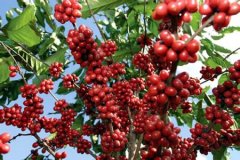
Varieties, Taste characteristics and roasting degree of Bolivian Coffee
■ Bolivia is rich in coffee beans in South America, and Bolivia is no exception. The unique tropical rain forest environment in some parts of Bolivia provides excellent natural conditions for the growth of organic coffee. The aroma of Bolivian coffee is rich and unique, whether it is the aroma of ground beans or the aroma of coffee, similar to the mixture of flower and fruit aroma.

What are the steps of Bolivian coffee brewing for Bolivian coffee brands
Professional baristas Please pay attention to the Coffee Workshop (Wechat official account cafe_style) Bolivian coffee has the advantages of high altitude and excellent coffee varieties, where the traditional Tibica and a small amount of Kaddura are highly regarded on the world market. In the past, coffee trees in Bolivia used to act as hedges and ornaments around the garden. Real commercial production comes from

How does Bolivian coffee come from? how do Bolivian coffee beans grade?
Communication of professional baristas Please pay attention to the coffee workshop (Wechat official account cafe_style) the overall taste of Bolivian coffee is rich and balanced, in addition to the beautiful sour taste, there is also a light chocolate flavor, the smooth taste is more smooth, compared with the bitter taste is not obvious. The aftertaste of the coffee is very good, and the sweet taste in the mouth lingers after drinking it.

Bolivian flavor describes which brand of Bolivian coffee is good.
Professional baristas Please pay attention to the Coffee Workshop (Wechat official account cafe_style) most of the coffee in Bolivia used to be of mediocre quality, but in recent years the production of boutique coffee has developed rapidly and there have been a lot of pretty good beans. In recent years, the COE (Cup of excellence) system, which was first implemented in Brazil, has gradually become popular, and Bolivia has also introduced this system.

Bolivian coffee hand data how to drink Bolivian coffee
For the exchange of professional baristas, please follow the coffee workshop (Wechat official account cafe_style) in Bolivia. 15g powder, medium grinding (small Fuji ghost tooth cutter 4 grinding), v60 filter cup, 88-89 degrees water temperature, 30g water injection for the first time, steaming for 27 seconds, water injection to 105g water cut off, wait for the powder bed water to drop to half and then water injection, slow water injection until 225g water, the end section is not

Bolivian coffee producing areas introduce how to brew Bolivian coffee.
For the exchange of professional baristas, please follow the coffee workshop (Wechat official account cafe_style) in Bolivia. 15g powder, medium grinding (small Fuji ghost tooth cutter 4 grinding), v60 filter cup, 88-89 degrees water temperature, 30g water injection for the first time, steaming for 27 seconds, water injection to 105g water cut off, wait for the powder bed water to drop to half and then water injection, slow water injection until 225g water, the end section is not

Bolivian Coffee Karanawi Flavor description Grinding scale Variety production area Manor
Bolivian coffee Karanawi flavor describes the grinding scale variety produced in the region manor. The annual output is between 6000 and 10000 tons. The main reason is that the hardware is relatively backward. The important reason is that the altitude is too high. But the delicious and low-yield Tibica is also to blame. In recent years, under the advice of experts. Kaddura, which has a high yield and good flavor, is also planted. Kaduai. It is hoped that midwifery can be improved. Generally speaking, the boutique coffee beans of the producing countries are better than those of the other countries.

Bolivian coffee roasting degree estate production area introduction (snow vein estate)
One third of Bolivia's territory is Andean, rugged terrain, mainly road transport, accounting for more than 85 per cent of transport. The main railway and road networks are concentrated in the west, and remote areas rely on air communication. However, road coverage is the lowest in South America. Moreover, there is also the Ronggas Highway, the world's most dangerous road known as the Road of Death. It has no developed economy, it's the poorest in South America.